

Some of the expenses are fixed because they do not change in total as the number of annual miles change. Some of the expenses are variable since the total amount will increase when more miles are driven and will decrease when fewer miles are driven. The variable expenses include gas, oil, tires, and some depreciation.
Definition of Mixed Costs

These costs remain constant regardless of the volume of goods or services produced by the organization. Examples of fixed costs include rent, salaries of permanent staff, and depreciation of equipment. Business planning relies heavily on accurately predicting how total costs will change when production volume shifts.
Understanding Mixed Costs
Viktoriya is passionate about researching the latest trends in economics and business. However, she also loves to explore different topics such as psychology, philosophy, and more. For the past 52 years, Harold Averkamp (CPA, MBA) hasworked as an accounting supervisor, manager, consultant, university instructor, and innovator in teaching accounting online. For the past 52 years, Harold Averkamp (CPA, MBA) has worked as an accounting supervisor, manager, consultant, university instructor, and innovator in teaching accounting online.
Moving Average Method
- In today’s dynamic business environment, where cost plays a pivotal role in competitiveness, integrating mixed cost understanding into decision-making processes is imperative for sustainable growth.
- Profitability insightsBy analyzing mixed costs, you can understand how rising business activity affects expenses and profit margins.
- The integration of these practices enables businesses to optimize cost management, enhance profitability, and drive sustainable growth.
- Avoiding the common mistakes of misclassifying costs and making inaccurate assumptions requires diligence, regular review, and a commitment to understanding the true nature of costs.
- In business, it is essential to understand the different types of costs incurred.
Please check you notes to see if you are required to know how to separate fixed and variable costs using regression analysis. Without precise estimation, businesses may underestimate the true financial burden of rent expenses, leading to budget shortfalls or overexpenditure. Thorough analysis of the components of rent expenses, such as base rent, property taxes, maintenance fees, and utilities, is crucial for understanding their mixed cost nature. Understanding the distinct components of mixed costs is crucial for cost analysis and budgeting, as it impacts decision-making processes and financial outcomes for businesses. To calculate the fixed cost, use the high point where the total cost is $9,000. The total variable cost is 3,000 hours multiplied by the $2.00 rate, which equals $6,000.
Distinguishing between mixed and semi-variable costs allows for finer financial control. It equips accounting professionals with the knowledge to manage costs more effectively and inform decision-making processes within the organization. Companies view fixed costs as important figures on their balance https://learnfully.com/7-steps-to-writing-an-effective-travel-expense-t-e/ sheets because they are key indicators of financial health. A firm with high fixed costs might struggle during slow periods because those bills must be paid regardless of income levels. The variable component is the per-unit charge based on actual usage, often measured in kilowatt-hours (kWh) consumed.

This means that they increase the amount of revenue that the business needs to generate to cover its total costs and earn zero profit. The break-even point is calculated by dividing the total fixed costs by the contribution margin per unit, which is the difference between the selling price and the variable cost per unit. For example, if the total fixed costs are $10,000, the selling price is $20, and the variable cost is $10, then the break-even point is 1,000 units ($10,000 / ($20 – $10)). Understanding fixed costs helps businesses make informed decisions about pricing, production levels, and overall financial stability. By accurately analyzing and predicting fixed costs, companies can optimize their operations and maximize profitability.
- Viktoriya is passionate about researching the latest trends in economics and business.
- This knowledge is not only essential for exam preparation but also for practical application in the Canadian accounting profession.
- These are the constant charges a business faces, no matter how much it sells or grows.
- Mixed costs can present challenges in decision-making processes, as they consist of both fixed and variable elements, making it essential for businesses to have a clear grasp of their composition.
- Regression analysis is another method used to separate fixed and variable costs.
- With a deep understanding of these dynamics, organizations can effectively control and minimize the impact of cell phone bills on their financial resources.
- Generally, larger production volumes will result in a higher proportion of variable costs and vice versa.
- When that unit is finally produced, it has both components in it and this is referred to as the mixed cost of production.
- Variable costs are important for managers and decision makers because they affect the profitability and break-even point of a business.
- Further, it also in partially variable in nature and so it is likely to increase as the activity level increases.
This means that variable costs can change due to factors outside the control of the business, such as market conditions, inflation, exchange rates, etc. Similarly, if the exchange rate changes and affects the cost of imported materials, then the variable cost per unit will also change, and the business will have to adjust accordingly. The scattergraph method involves plotting the costs against the production levels on a graph. The graph helps to visualize the relationship between the costs and production levels. A line of best fit is then drawn to separate the fixed and variable portions of the cost.

Separating these components helps in identifying areas for potential cost control and making more informed operational choices. Variable costs, also known as direct costs, are expenses that vary in direct proportion to the volume of output or sales. Unlike fixed costs, which remain constant regardless of activity levels, variable costs rise or fall as production or sales increase or decrease. These costs are incurred to produce or deliver goods and services and are directly attributable to the production process. By accurately tracking expenses and identifying patterns over a period of time, businesses can gain insights into how costs fluctuate with changes in production or activity levels. This involves using historical data, regression analysis, and other cost estimation techniques to determine the fixed and variable elements of mixed costs.
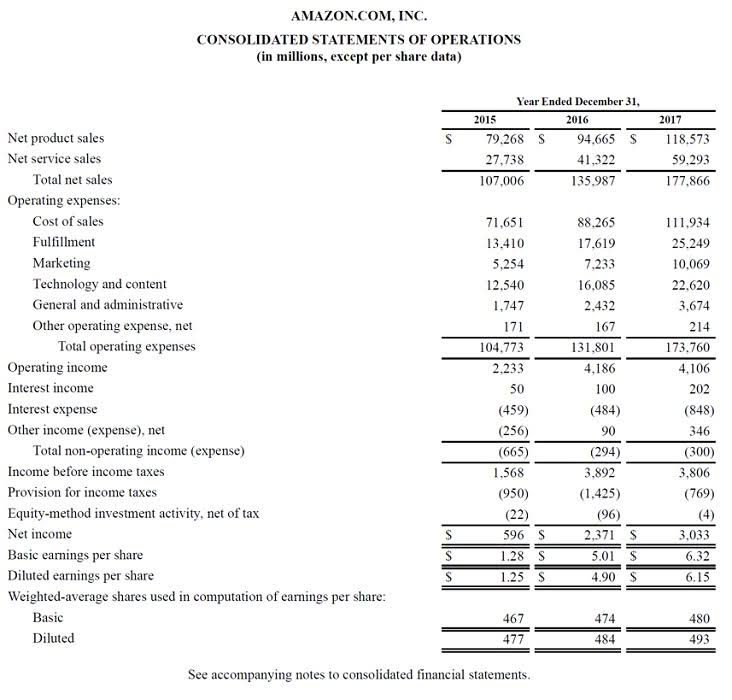
In addition, the electric bill includes a fixed charge based on the manufacturer’s peak day electricity usage that occurred in the prior 12 recording transactions months. Effective financial planning relies on understanding how costs behave in response to changes in operational activity. Cost behavior models typically categorize expenses as either fixed or variable based on their relationship to production volume or service delivery. Many real-world business expenses, however, do not fit neatly into these two pure categories. This is a topic that is mentioned in some managerial accounting textbooks, however, it is rarely covered by the professor.
They mixed cost definition ensure that prices cover all overhead expenses, contributing to overall expense management. This makes predicting total costs harder when planning your business budget. Enhance your proficiency in Excel and automation tools to streamline financial planning processes.


